
ABOUT THE GAME
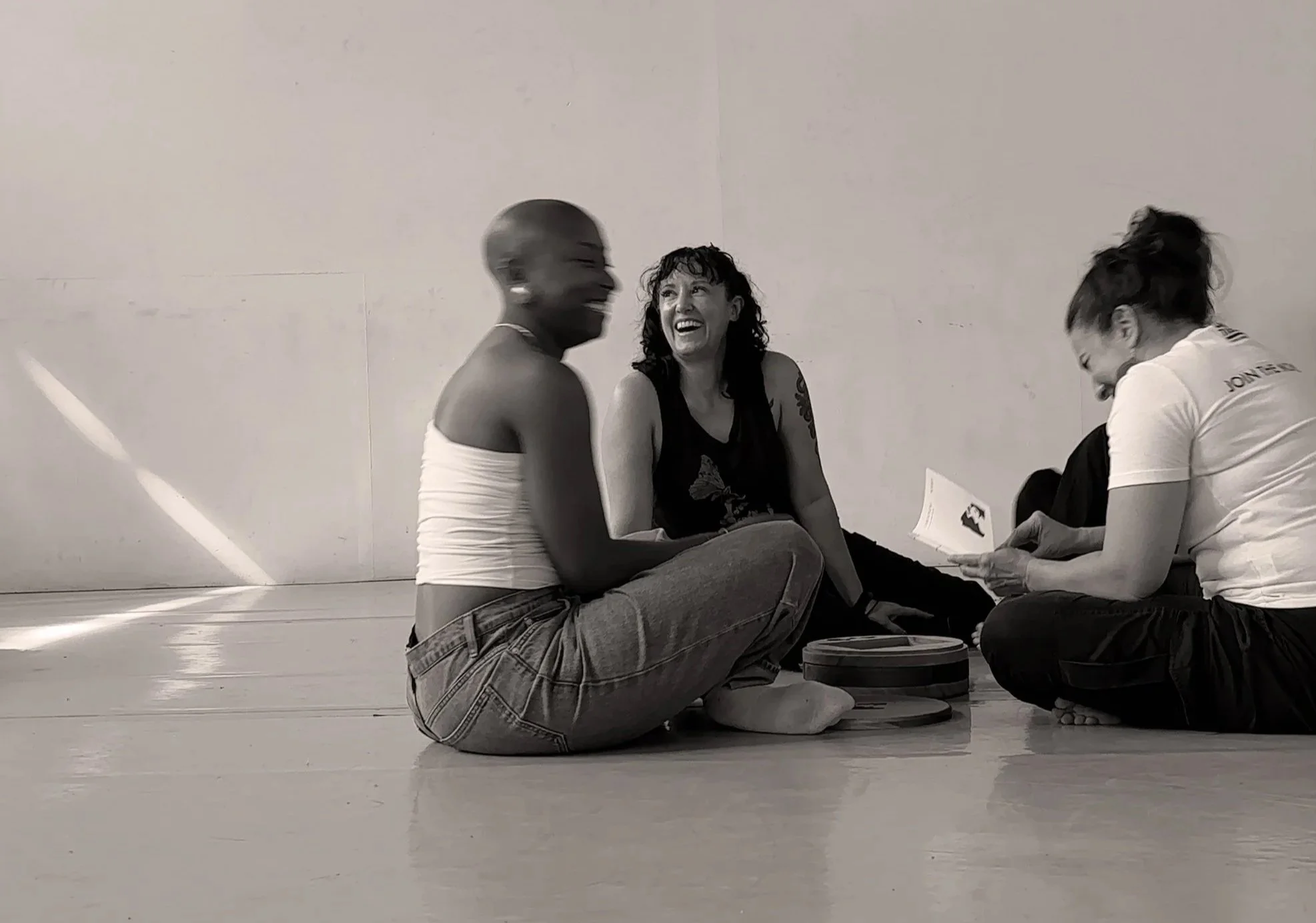
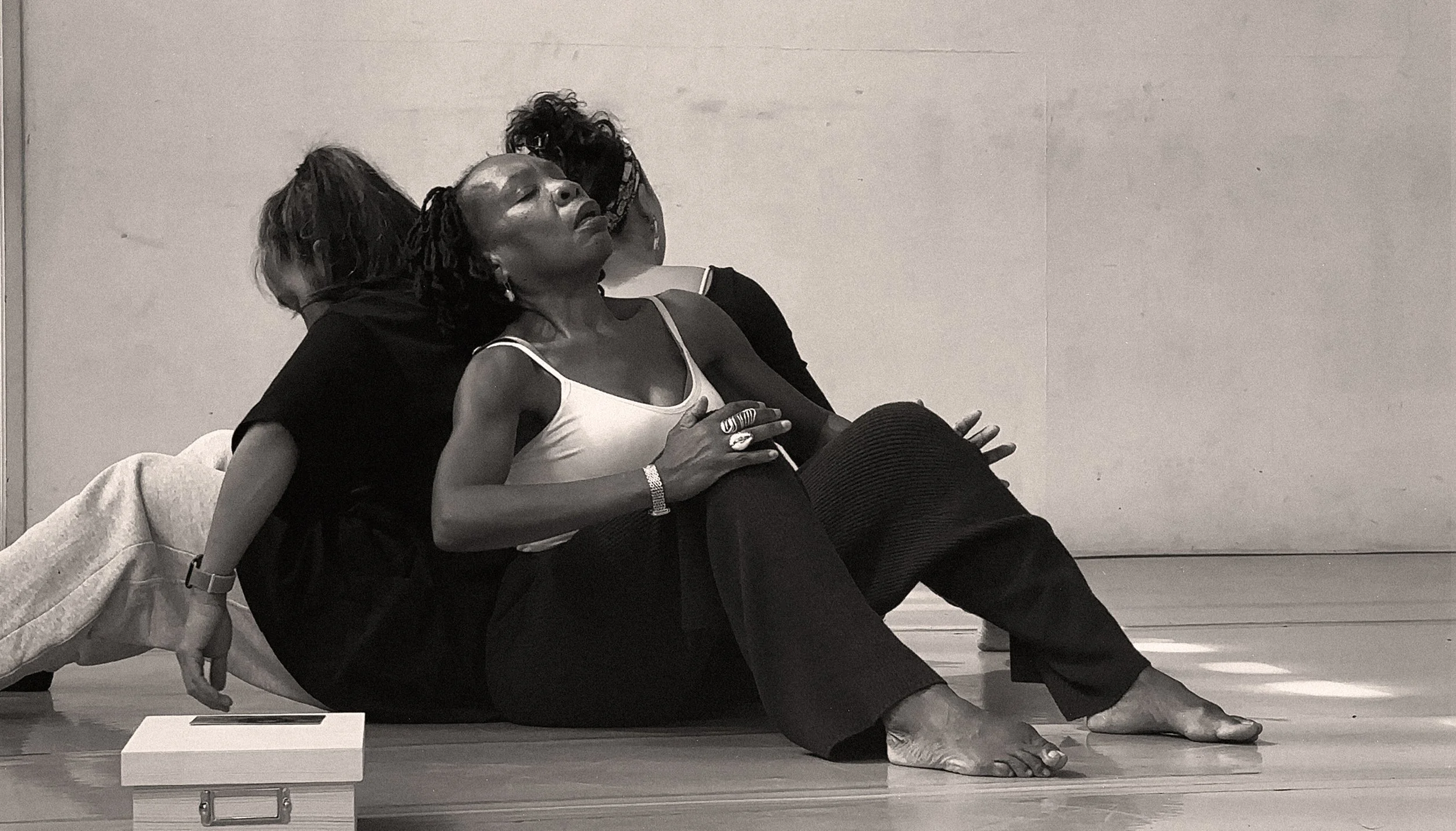
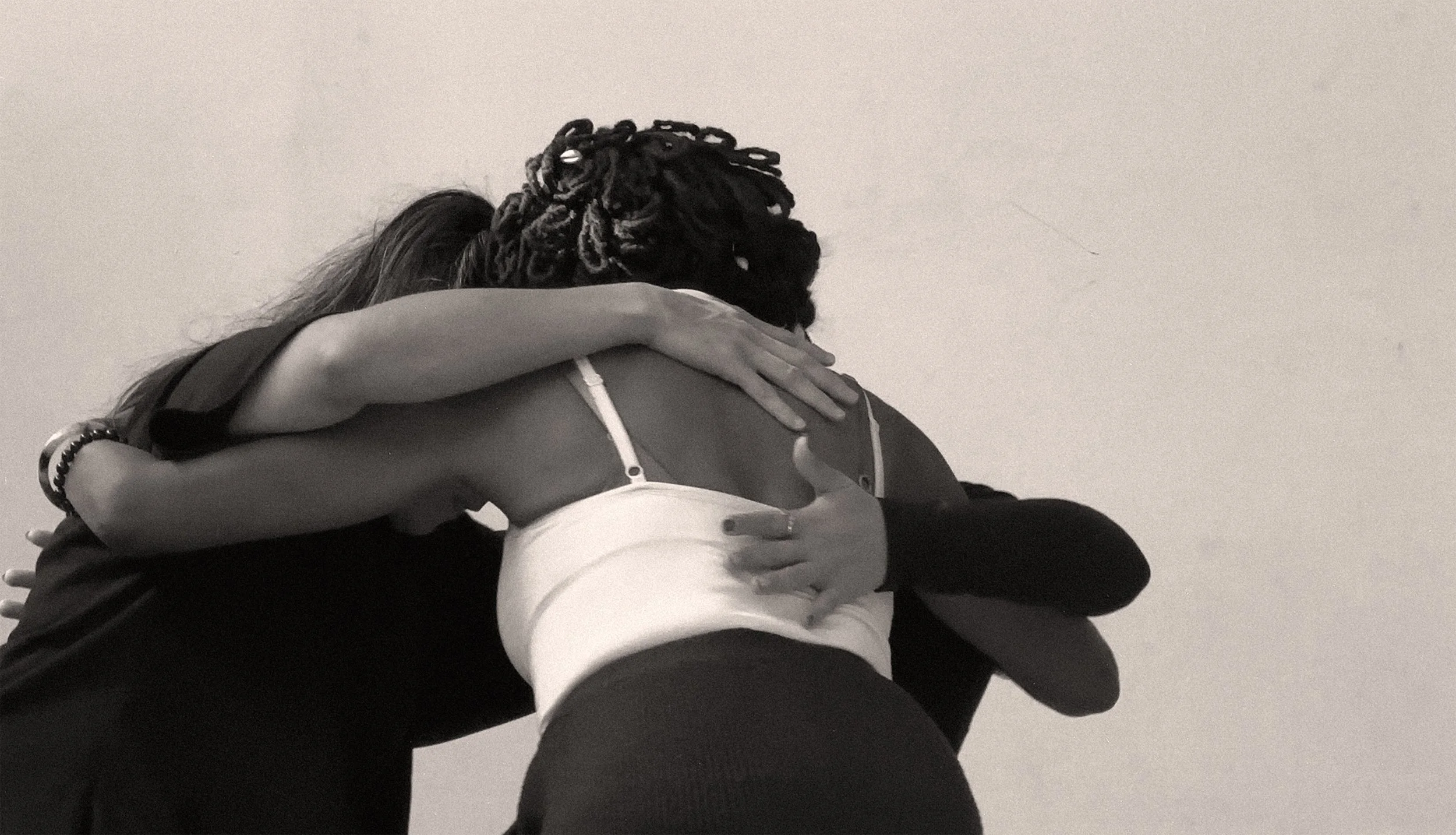
MAROONING BODIES begins as an immersive game designed to explore community-building as a creative practice. Through art making, conversation, and storytelling— players are prompted to create relics and rituals from a collectively imagined future.
Under this process, we are granted the task of dreaming new ways of being together.
This game has been in development for 4 years. It has been play tested in Ghana, Senegal, Morocco, and across North America including: USC, CSU East Bay, National Sawdust Creative Forum (NYC), Women and Dance Leadership Conference (Los Angeles) and Norco Prison.
Over the course of its run thus far, the game has produced collections of poetry, paintings, creation stories, a perfume series, dance rituals, dissertations, and so forth.
Marooning Bodies serves as a tool to:
further investigate our social structures
practice relationship building skills
engage our 5 senses to dream with the knowledge of our whole bodies
foster thoughtful and nuanced discourse
archive future histories
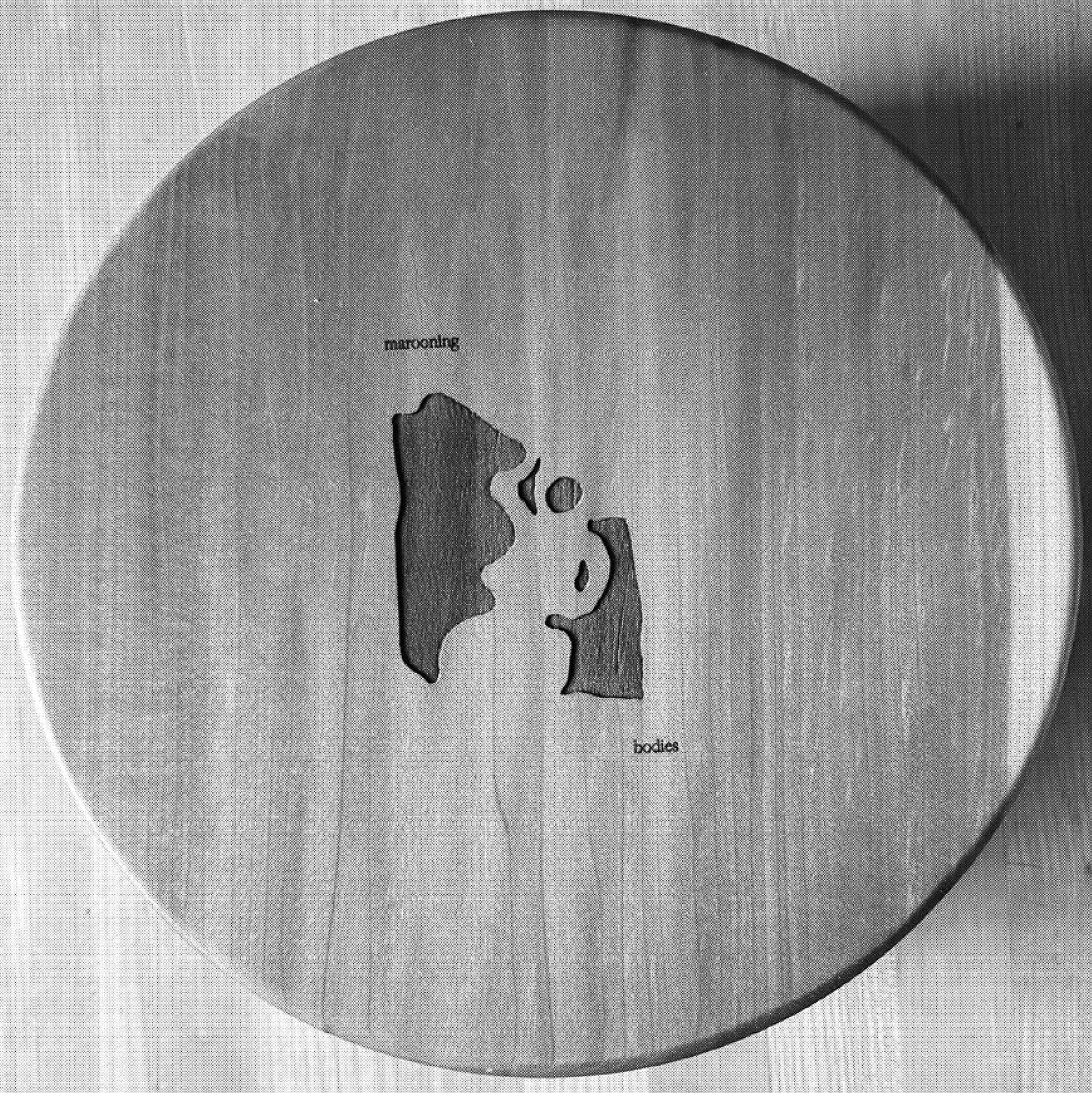
fig. 1
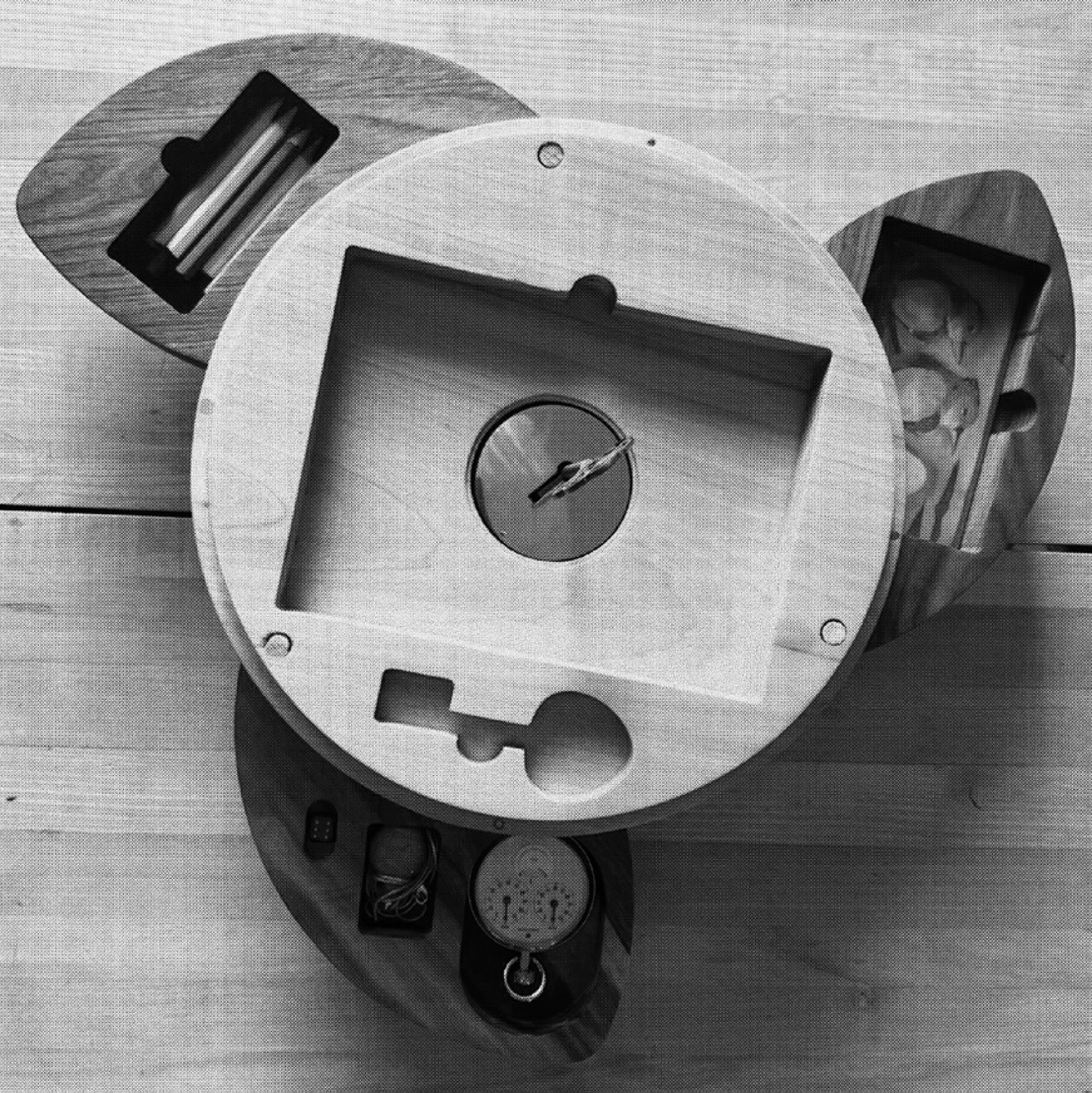
fig. 3
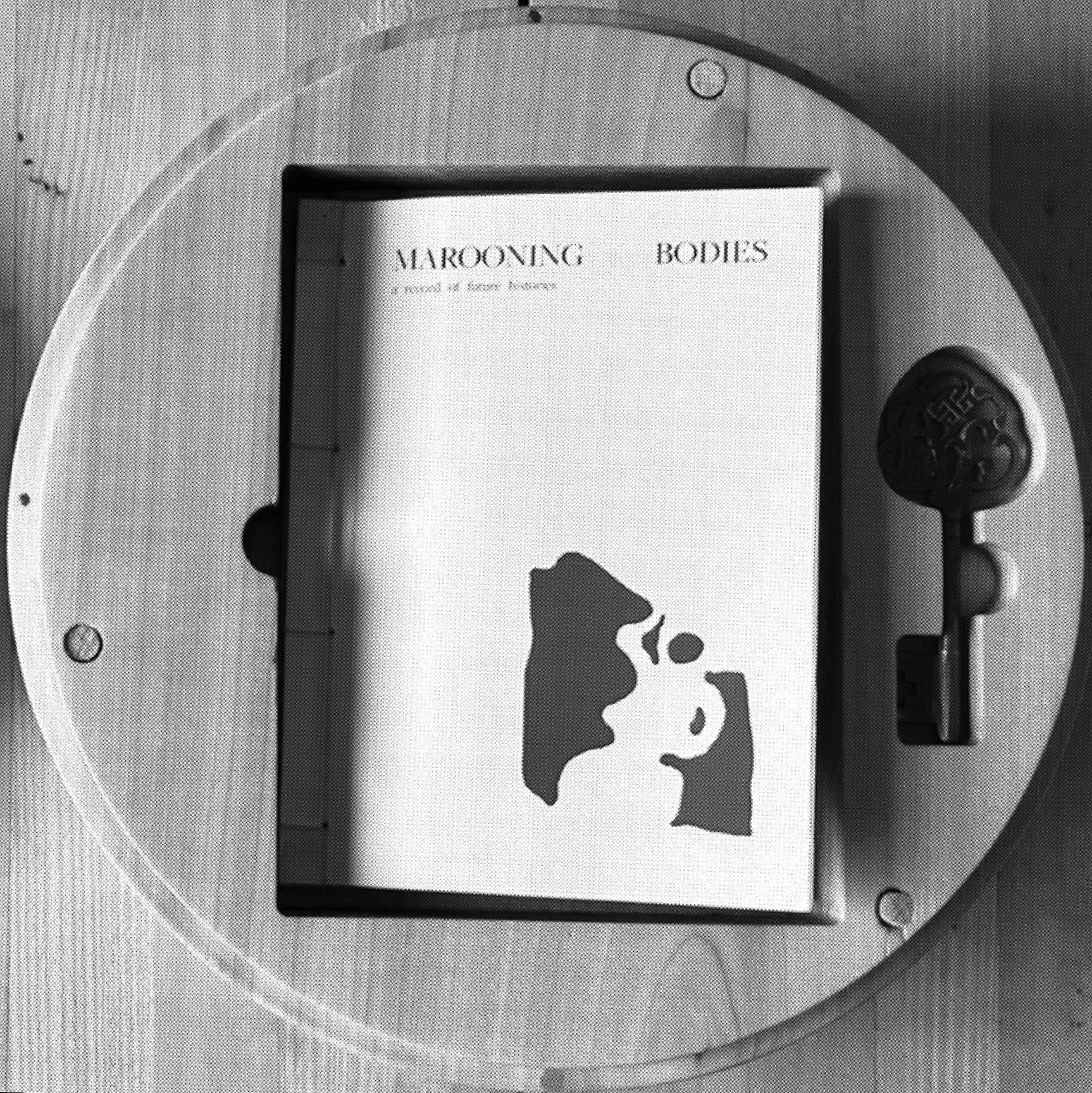
fig. 2
HOW TO PLAY
MAROONING BODIES is built as a time capsule from the future, by which its players build out the details of their descendant’s community. The box opens first to a key and a textbook of “future histories” that guides players into discussions and creative prompts on the physical conditions of their future existence, the interpersonal structures that sustain them, and the experiential and spiritual practices that connect them to the world and each other (see fig. 2).
The key unlocks access to the remaining game pieces; card decks that detail the community practices of our animal cousins, scents of the biome that the game takes place in, dice, stopwatches, and colored pencils (see fig. 3).
A TESTIMONIAL:
“During an education research project involving the game at the University of Southern California, one player described the game as cultivating a kind of direct people-to-people diplomacy from below, challenging the imperial assumptions that are often baked into the design of games about international and intercommunal negotiations. They imagined the game could be an alternative to diplomatic simulation programs in high schools and colleges (e.g. Model United Nations).”
–Coopilton M. (2023). “Critical Game Literacies and Afrofuturist Development”(Publication no. 30633194). [Doctoral dissertation, School of Urban Education Policy, USC]. PDQT Open.
For updates on upcoming gameplays and developments, sign up for our mailing list.